

Food-to-go is one of the biggest footfall drivers in convenience retail. Coffee machines, hot snacks, sandwiches and bakery counters all bring customers through the door. But while it can boost traffic, profitability isn’t guaranteed.
Margins can disappear quickly if waste, labour and pricing aren’t managed carefully. For convenience retailers, success with food-to-go is less about scale and more about discipline.
The UK food-to-go market continues to grow, with Lumina Intelligence valuing the sector at over £23bn and forecasting steady growth through 2026[1]. But not all formats deliver equal margin.
Most retailers find that the best lines, in terms of margin, include coffee (if volumes hold), fresh bakery, which can outperform pre-packed sandwiches, and hot food. The key thing is to select one of these lines and stay consistent with it. A good, well thought out range should reflect footfall patterns, local demographics and daypart demand.
Waste Control Can Make Or Break Profit
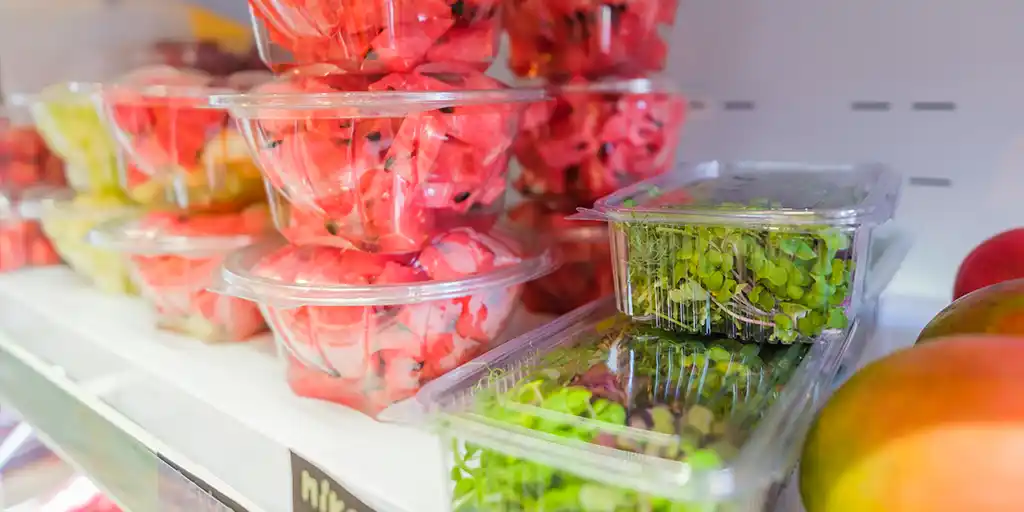
Waste is one of the biggest threats to food-to-go profitability.
Overproduction, especially in fresh bakery and hot food, can quickly erode margin. Many successful retailers operate tighter production windows rather than keeping counters full all day.
Here are some practical approaches, to keep lines tight and margins healthy:
- Smaller, more frequent bakes
- Monitoring sell-through by daypart
- Using EPOS data to adjust daily output
- Clear markdown strategy late in the day
Pricing Psychology And How To Use It
Food-to-go shoppers are often time-poor and therefore, not watching every penny. This gives retailers some flexibility – but value perception still matters.
Retailers should look at offering meal deals that protect margin, bundling drinks and snacks into an offer to make it look more appealing, offering premium upgrade options, and ultimately, clear, simple pricing.
Research from Kantar shows consumers continue to balance affordability with products they deem as ‘worth it”, particularly for small treats and convenience meals[2]. This creates room for premium bakery lines or higher-quality coffee, as long as value is clear.
Food to Go: Practicalities to Consider
Coffee machines, heated displays and bakery units can be high investment items. But they also shape profitability. That said, a retailer needs to be fully committed to running these lines if they decide to install them. Keeping a bakery running can be a full time job, as can manning a coffee machine (if it isn’t self service).
Food-to-go works best in convenience when it matches the size of the store, offers minimal waste, and delivers consistent quality that retailers will continue to come back for. Food-to-go is all about margins, and if retailers aren’t hitting them they need to take a serious look at their offering and make the necessary changes.
[1] Lumina Intelligence: UK Food to Go Market Report 2025
[2] Kantar Grocery Market Share Update 2025 – value perception and treat purchasing